The US Federal Communications Commission has opened a new proceeding that puts three chunks of shared spectrum on the table for commercial satellite use — and two of them are amateur microwave allocations that UK operators use. It’s a US filing, decided under US rules, but the bands in question don’t stop at the Atlantic, and the precedent it sets is one the whole amateur microwave community has reason to watch.
What the FCC actually proposed
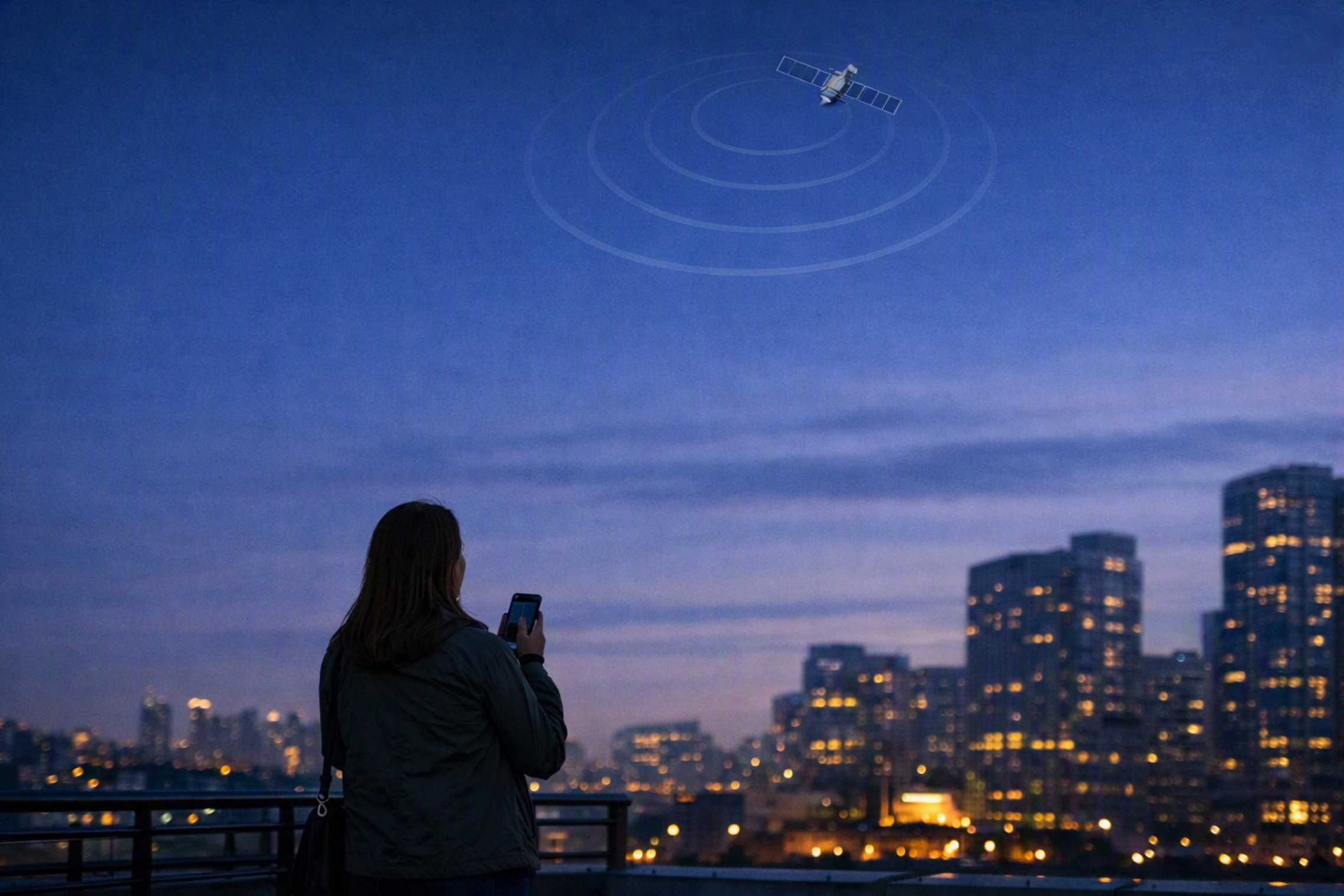
At its open meeting on 6 August 2026, the FCC voted to launch a rulemaking proceeding aimed at unlocking around 200MHz of unlicensed spectrum for “direct-to-device” (D2D) satellite connectivity — letting ordinary phones and IoT devices talk straight to satellites without a dedicated satellite handset. The bands originally on the table were 902–928MHz, 2400–2483.5MHz and 5725–5850MHz: the US Part 15 ISM band, and the Wi-Fi/Bluetooth bands better known to UK amateurs as the 2.4GHz (13cm) and 5.7GHz (6cm) allocations.
By the time the meeting concluded, 902–928MHz had been dropped from the immediate proposal. FCC officials said the band was “significantly more complex” to open up than 2.4GHz or 5.7GHz, given incumbents including NextNav’s geolocation licences and rural wireless ISPs, both of which raised interference objections. That left 2.4GHz and 5.7GHz moving forward into formal notice-and-comment, with the FCC gathering input and working through technical interference rules into late 2026. The push builds on the Supplemental Coverage from Space framework the FCC approved in December 2025, and follows lobbying from satellite operators — SpaceX among them — keen to extend direct-to-device coverage using spectrum that’s already sitting in billions of consumer devices.
RSGB picked this up in its 21 August GB2RS bulletin, noting that the FCC “has released a further proposal for new commercial satellite allocations that overlap existing amateur spectrum” in the 900MHz, 2.4GHz and 5.7GHz bands, that ARRL has already filed an initial response, and pointing members to RSGB’s own spectrum forum for updates.
Why a US filing matters here
It's tempting to file this under "not our regulator, not our problem" — and fairly enough, the direct interference risk here is minimal: these are low-power (up to 4W EIRP) ground devices transmitting upward to a satellite, but the reason to pay attention is regulatory. 2.4GHz and 5.7GHz aren't exclusive amateur allocations in the UK any more than they are in the US — both are shared with Wi-Fi, Bluetooth and a growing list of unlicensed and licensed users, and amateur radio holds its access on a secondary, non-interference basis. Direct-to-device satellite services are also built with global ambitions — the same constellations pursuing FCC authorisation today are the likeliest candidates to seek UK and European access tomorrow.
Precedent travels, too. US allocation decisions are watched closely by other administrations and by the ITU process that eventually shapes global and Region 1 band plans. A US decision to open 2.4GHz or 5.7GHz to satellite-linked consumer devices — even framed as domestic and unlicensed — becomes a data point the next time a WRC agenda item or an Ofcom consultation touches the same spectrum. The 902–928MHz slice getting dropped from this round, after sustained pressure from incumbent users, is itself a reminder that these fights are won or lost on the strength of documented objections, not on the assumption that someone else is defending the band.
And it isn’t an isolated move. This proceeding follows a 2025 FCC authorisation permitting a 248-satellite constellation to use amateur 70cm allocations for telemetry, with the FCC’s own order on that constellation explicitly acknowledging amateur radio’s interference concerns while leaning on secondary-user rules to allow it anyway. Taken together, it’s a pattern of satellite operators being granted access to bands amateurs share, justified case by case, each one making the next easier to wave through.
What to actually do about it
There’s no UK consultation open right now, so there’s nothing to formally respond to yet. What’s worth doing is keeping an eye on RSGB’s spectrum forum for updates, and treating this as the reason to actually read the next Ofcom or IARU Region 1 spectrum consultation that touches 2.4GHz, 5.7GHz or any other shared microwave band. Bands get defended by people who show up with evidence of active use — beacon spots, documented EME activity, contest participation numbers — and this is as good a prompt as any to make sure that evidence exists for the day it’s needed.
Further reading: Also in GB2RS this week — 21 August 2026, FCC Approves Proposal on Unlicensed Spectrum for Direct-to-Device, FCC Proposes Opening Wi-Fi and IoT Spectrum for Direct-to-Satellite.